
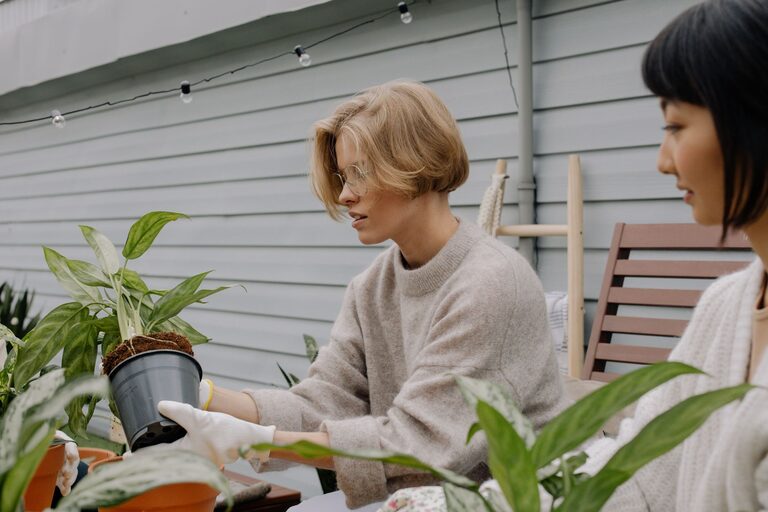
Creating a sustainable home garden is a rewarding way to connect with nature, reduce your environmental footprint, and enjoy fresh, homegrown produce throughout the year. Whether you have a large backyard or a small balcony, sustainable gardening practices can help you grow healthy plants while conserving resources. In this post, we’ll explore practical tips for maintaining a thriving, eco-friendly garden all year round.
Why Choose a Sustainable Home Garden?
Sustainability in gardening means using methods and materials that protect the environment, conserve water and soil, and encourage biodiversity. A sustainable garden not only enhances your outdoor space but also supports pollinators like bees and butterflies, reduces waste, and lowers your carbon footprint by minimizing reliance on store-bought produce.
Plan Your Garden with Sustainability in Mind
Choose Native and Adapted Plants
Native plants are naturally suited to your local climate and soil, requiring less water, fertilizer, and maintenance. They provide habitat for local wildlife and are resilient against pests and diseases. Complement native species with plants adapted to your region for a sturdy and diverse garden.
Practice Crop Rotation and Companion Planting
Crop rotation helps avoid soil depletion by switching plant families each season, reducing pest problems and improving soil health. Companion planting, such as growing basil near tomatoes, can naturally deter pests, improve growth, and increase yields.
Prepare Your Soil for Healthy Growth
Good soil is the foundation of a sustainable garden.
– Add organic matter: Compost, leaf mold, and well-aged manure enrich soil, improve texture, and provide nutrients.
– Avoid chemical fertilizers: Choose organic fertilizers that release nutrients slowly and support soil microorganisms.
– Test soil pH: Adjust as needed to fit your plants’ preferences with natural amendments like lime or sulfur.
Healthy soil promotes strong plants that resist pests and require fewer inputs.
Conserve Water with Smart Irrigation
Water is a precious resource, especially in dry climates. Here are ways to save water in your garden:
– Mulch to retain moisture: Use organic mulch such as wood chips or straw to reduce evaporation and keep soil temperature stable.
– Install drip irrigation: Deliver water directly to plant roots with drip systems or soaker hoses to minimize waste.
– Collect rainwater: Use rain barrels to harvest water from your roof for garden use.
– Water early or late: Watering in the early morning or late evening reduces evaporation.
Extend the Growing Season
Year-round gardening is possible with some planning:
Use Season Extenders
– Cold frames and cloches: Protect plants from frost and wind with transparent covers.
– Greenhouses: Create a controlled environment for growing tender plants in cold months.
– Row covers: Lightweight fabrics protect crops from pests and cold.
Plant a Mix of Annuals and Perennials
Grow fast-maturing annual vegetables along with perennials like herbs, strawberries, and asparagus to ensure continued harvests through different seasons.
Encourage Biodiversity and Natural Pest Control
A diverse garden ecosystem keeps pests in check without harmful chemicals.
– Plant pollinator-friendly flowers: Lavender, sunflowers, and marigolds attract beneficial insects.
– Create habitat: Leave some natural areas or a small compost heap to support birds, insects, and worms.
– Use natural pest controls: Handpick pests, introduce ladybugs, or spray with insecticidal soap when needed.
Reduce Waste and Reuse Materials
Sustainable gardening includes minimizing waste:
– Compost kitchen and garden scraps: Turn peelings and plant cuttings into nutrient-rich soil amendments.
– Reuse containers: Repurpose old pots, buckets, or furniture for planting.
– Seed saving: Collect and save seeds from your plants to reduce dependence on store-bought seeds.
Maintain Your Garden with Sustainable Practices
Regular care keeps your garden healthy and productive.
– Prune responsibly: Remove dead or diseased parts to promote plant health.
– Monitor soil moisture: Avoid overwatering; only water when necessary.
– Rotate crops each season: Prevent nutrient depletion and reduce disease buildup.
– Stay informed: Adjust your gardening techniques based on seasonal changes and weather patterns.
Final Thoughts
A sustainable home garden is a joyful project that benefits you and the environment year-round. By planning thoughtfully, caring for your soil, conserving water, and embracing biodiversity, you’ll create a resilient garden that provides fresh produce, supports wildlife, and brings beauty to your home in every season. Start small, learn as you go, and enjoy the rewards of gardening sustainably for years to come!